
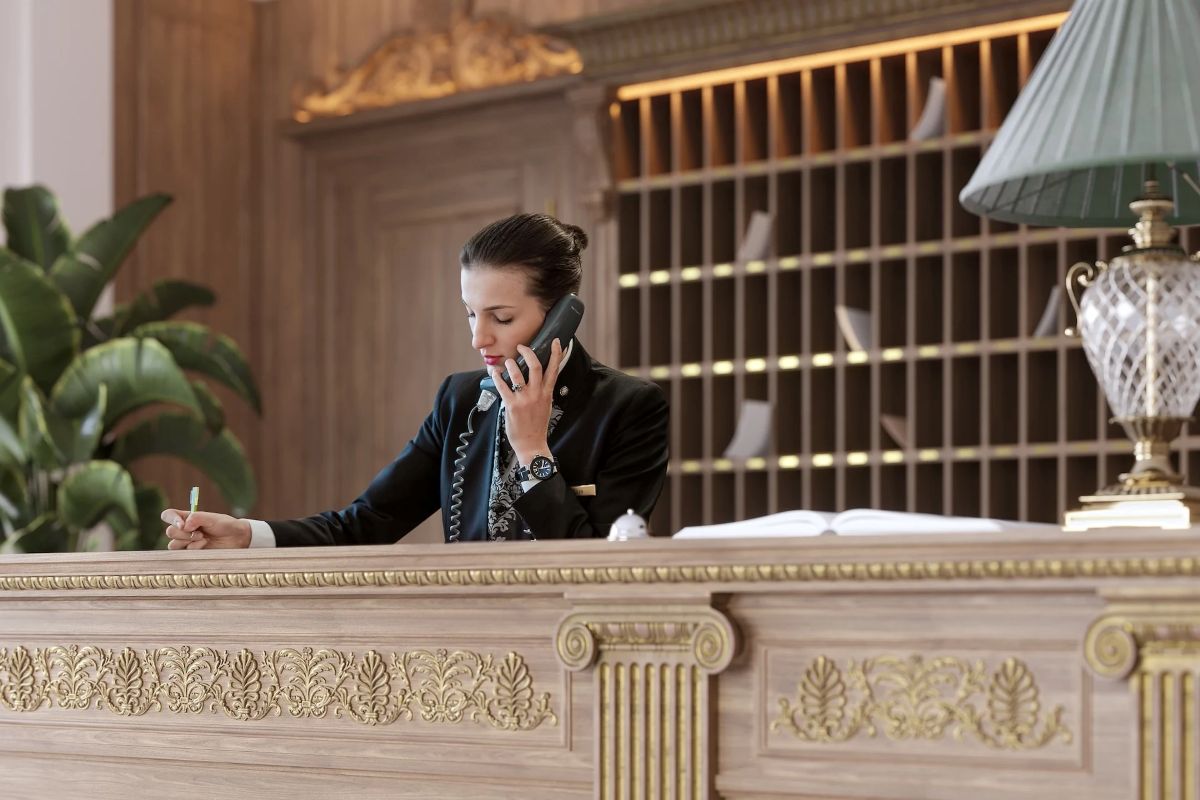
The husband calling to book an anniversary trip tells the reservation agent that it’s a 20-year celebration and asks whether anything can be arranged. The agent writes a note. Says, “Absolutely, we’ll make it special.” Everyone hangs up pleased. Three weeks later the couple arrives at the hotel. There’s no acknowledgment. No note on the pillow. No chilled bottle. The front desk agent at check-in has no idea it’s an anniversary. Special occasion requests fall through the hotel’s internal systems with depressing consistency, and the moment they fall through is the moment the guest decides this isn’t a hotel they’ll recommend to friends who are planning their own special trips.
I’ve worked with independent hotels and small chains who route their reservation volume through specialist hospitality call center outsourcing partners for after-hours and overflow coverage. Special-request handoffs are one of the most common failure points regardless of whether the call reached the hotel directly or came through overflow. A reservation agent captures the request in good faith. Information lives in a notes field somewhere in the booking record. Nothing on the hotel side flags it to the operations team who could actually deliver on it. Three weeks later nobody at the property knows the guest is celebrating anything specific. The promise made on the phone evaporates silently.
- Why Special Occasion Requests Get Lost Between Reservation and Arrival
- The Notes Field That Everyone Writes Into and Then Nobody Actually Reads
- What Special Occasion Requests Actually Need From Operational Workflows
- The Specific Gestures That Actually Create Memorable Moments for Guests
- How to Measure Whether Special Occasion Requests Are Actually Delivered
- Keep Reading CX Excellence World for More Hospitality Personalization Insights
- Special Occasion Requests FAQ: Five Questions Hotel Operators Ask Me
Why Special Occasion Requests Get Lost Between Reservation and Arrival
The structural reason special occasion requests go missing lives in the handoff between the reservation system and the operations side of the hotel. Booking records capture the request in a free-text notes field. Housekeeping daily task sheets don’t surface those notes. Front desk check-in flows don’t surface them either. F&B teams never see them at all. Information exists but doesn’t propagate to the specific people who need it when they need it. Three or four weeks pass between booking and arrival. That’s plenty of time for the request to fall through a dozen possible gaps in the operational flow of the property.
Industry research has started mapping these specific failure points. One useful piece on what hotels should realistically offer guests for birthdays and anniversaries and how often properties actually deliver walks through the gap between the promise and the follow-through. The piece covers independent and chain properties, with a specific focus on the handoff mechanics that produce the disappointment. The research shows a consistent pattern. Most hotels capture the request well. Most hotels fail to execute on it. The gap sits almost entirely in the internal workflow between capture and delivery, which is the operational problem worth solving rather than a product gap worth filling.
The Notes Field That Everyone Writes Into and Then Nobody Actually Reads
The practical mechanism behind missed special occasion requests is the humble notes field in the booking record. A reservation agent types the request in. That field doesn’t propagate to any specific operational workflow. Any staff member who opens the booking record manually can read it. Nobody opens the booking record manually three weeks before arrival just to check for notes. Front desk agents at check-in might see it if they look, but they’re usually processing the arrival on autopilot. Housekeeping teams never open the booking record. Systems technically have the information. That fact is why operators tell themselves the problem is solved.
The operational fix pulls the request out of the notes field and into a specific daily workflow. Property management systems can tag bookings with specific-request flags. Housekeeping task sheets can filter for those flags and surface them in the morning briefing. Front desk check-in flows can display the flag prominently when the guest arrives. F&B teams can receive an automated handoff for any request that involves amenities on their side. Each of these integrations is a small technical change. Together they shift the whole experience from inconsistent delivery to systematic follow-through across the property.
What Special Occasion Requests Actually Need From Operational Workflows
A specific workflow for special occasion requests needs several components to work consistently. First, a booking-level flag that triggers when the reservation agent captures the request. Second, a daily operations briefing that surfaces all active flags for the day’s arrivals. Third, a specific owner for each flag, usually the duty manager or front office supervisor. Fourth, a completion check at the end of the day that confirms whether the request was actually delivered. For teams building this operational framework around guest personalization, guest personalization standards covers the broader program design in more detail. Each component matters. Skipping any of them tends to produce exactly the gaps the whole workflow was designed to prevent.
The completion check at the end of the day is the component most hotels skip, which is also the component that holds the whole workflow accountable. Without it, the flag can get captured and surfaced in the briefing and still get dropped if the specific team member assigned to it got pulled onto something else. With it, the duty manager confirms by end of shift whether the request was actually delivered. If not, there’s time for an evening gesture that at least partially recovers the moment. Hotels who’ve added the completion check routinely find their delivery rate on special requests climbs from 50 or 60% to above 90% within a single quarter.
The Specific Gestures That Actually Create Memorable Moments for Guests
Actual delivery on special occasion requests doesn’t have to be elaborate. A handwritten note from the front office team acknowledging the anniversary. Perhaps a plate of macarons sent to the room with a brief message. Or a room upgrade when inventory permits. Even a reserved table at the hotel’s restaurant with a quiet celebration gesture works. Each of these is operationally cheap and emotionally generous. Guests remember them. Positive reviews follow. Friends hear about them. Specific gestures matter less than the fact that something happened. Nothing happening is the failure mode that generates the quiet disappointment that erodes a hotel’s reputation one trip at a time.
Cost per gesture usually runs under $25 for a meaningful acknowledgment at a mid-tier property. One useful piece covering unconventional guest requests hotels often grant when the asking is done right walks through the specific items that create memorable moments without significant cost. The piece shows the gap between what guests expect and what hotels actually need to do to exceed those expectations. Guest expectations are usually modest. Hotels that meet them consistently build a reputation that drives direct bookings at above-average rates compared to properties that promise and then forget.

How to Measure Whether Special Occasion Requests Are Actually Delivered
The measurement for special occasion requests needs a specific set of indicators to produce useful insight. Request capture rate at the reservation stage, broken down by channel. Request delivery rate at the property stage, confirmed through the end-of-day completion check. Guest-reported recognition rate through a brief post-stay survey question. Review mentions specifically referencing special-occasion delivery, tagged in the review sentiment system. Each metric catches a different operational signal. Together they tell the hotel’s management team whether the program is working or whether the gap between capture and delivery is quietly eroding the brand experience.
The review sentiment piece carries disproportionate weight. Positive reviews specifically mentioning anniversary or birthday acknowledgment correlate strongly with elevated direct booking rates in the following months. Negative reviews specifically mentioning the hotel failing to acknowledge an occasion the guest had mentioned at booking produce the opposite effect. The pattern reads across property categories. Hotels who track this specific sentiment catch early signals of operational drift. Hotels who roll it up into general satisfaction metrics miss the signal entirely until the review patterns become visible in the aggregate rating, by which point the operational drift has been running for months. This is why measuring service performance effectively matters.
Keep Reading CX Excellence World for More Hospitality Personalization Insights
If you’re reviewing your personalization program ahead of 2027, there’s time to redesign the reservation-to-operations handoff before the busy spring booking cycle begins. Special occasion requests are among the most leveraged guest interactions a hotel manages, because the delivery or non-delivery lands at a moment of elevated guest attention. There’s more at CX Excellence World on hospitality personalization, workflow design, and the measurement work that keeps delivery honest across multi-year horizons.
The hotels I’ve worked with who handle special occasion requests best treat the whole workflow as an operational discipline, not a one-time service touch. Reservation capture matters. Internal propagation matters. Specific delivery gestures matter. Completion checks matter. Sentiment tracking matters. Each component holds its weight in the chain. Skipping any of them produces exactly the quiet disappointment that erodes a hotel’s reputation one anniversary trip at a time. The best properties audit the full workflow quarterly, with a specific sampling methodology that catches the gaps before they aggregate into review patterns. Come read the detail before your next planning cycle, because review patterns that currently show elevated mentions of promises not kept don’t improve on their own without specific operational attention.
Special Occasion Requests FAQ: Five Questions Hotel Operators Ask Me
1. Where do most special occasion requests actually get lost in hotel operations?
At the handoff between the reservation system and the daily operations workflow. The reservation agent captures the request in a notes field that doesn’t propagate to housekeeping, front desk, or F&B. The information exists but doesn’t reach the people who need to act on it.
2. How much does a meaningful acknowledgment actually cost the property?
Usually under $25 at a mid-tier property. A handwritten note, a small plate of amenities, a room upgrade when inventory permits, or a reserved table at the restaurant with a quiet gesture. The cost is modest and the emotional impact is substantial when the delivery is reliable.
3. What’s the single most important workflow component to add?
The end-of-day completion check that confirms whether the request was actually delivered. Without this component, flags get captured and surfaced in briefings and still get dropped. With it, delivery rates climb from around 50 or 60% to above 90% within a quarter.
4. Should the reservation team flag the request or just note it?
Flag it with a specific tag that triggers operational workflows. Free-text notes don’t propagate. Structured flags with tagging surface in task sheets, briefings, and check-in flows automatically. The structural difference between notes and tags determines whether the request reaches the operations team.
5. How do you catch operational drift on special-occasion delivery?
Through review sentiment tracking specifically on anniversary and birthday mentions. Reviews that mention the hotel acknowledging an occasion correlate with elevated direct bookings. Reviews that mention a missed acknowledgment produce the opposite effect. The specific sentiment pattern catches drift months before aggregate ratings would.